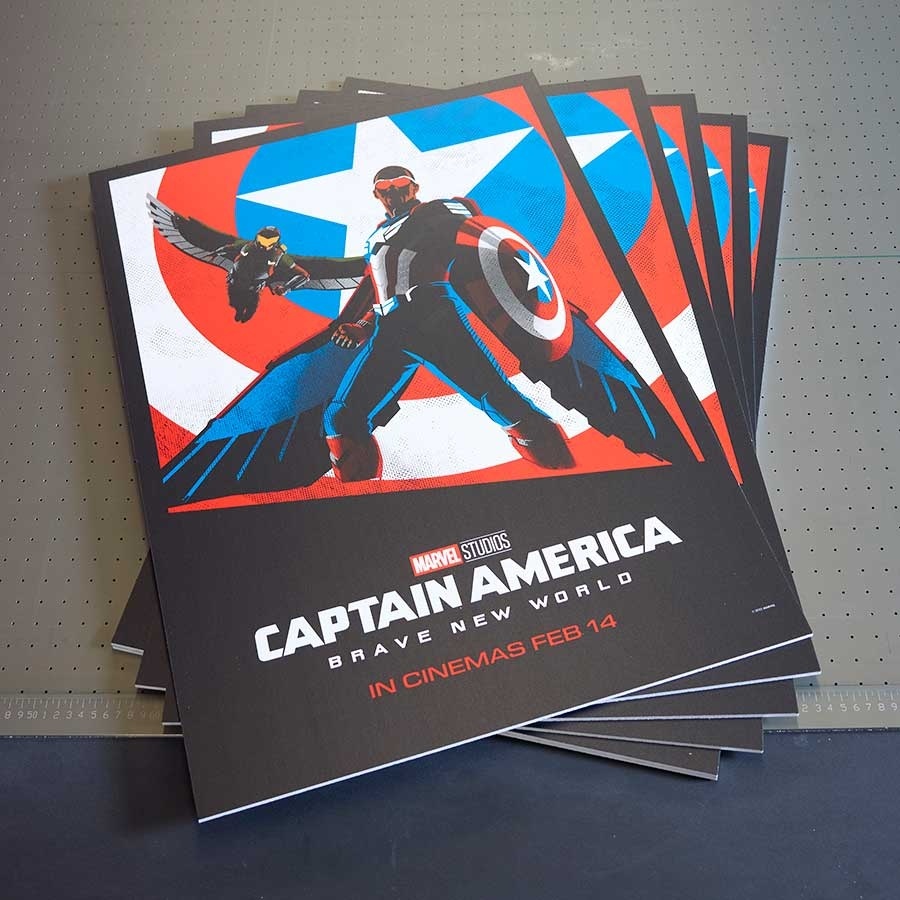
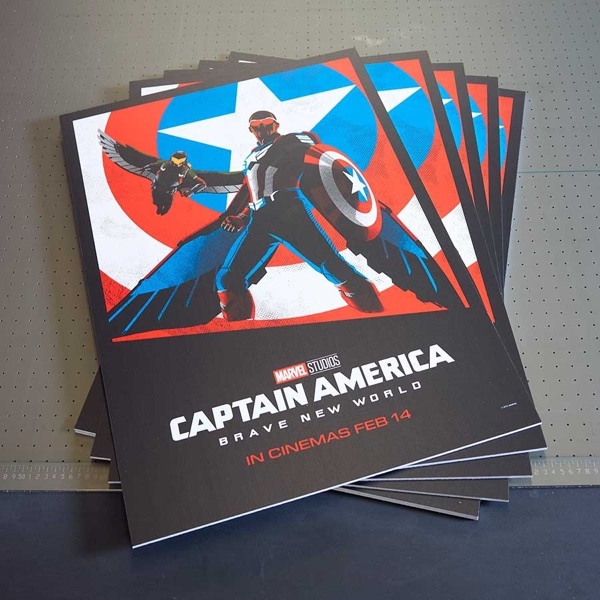
Foamex is rigid PVC board with a smooth matte finish. It's our go-to board for most signage jobs. It prints cleanly, it cuts precisely, and it looks like you've spent more than you have. If you ask us what board to use and you've no specific reason to
go elsewhere, the answer is usually foamex.
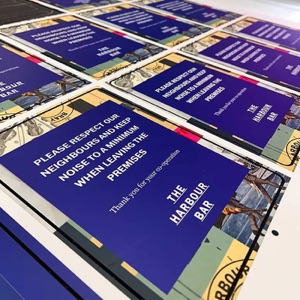
It's waterproof, and it handles being outdoors without warping or going soggy the way paper-based boards do. We've printed outdoor menu boards on it for restaurants like Asador. They slot into pavement frame holders, stay out in all weather, and they
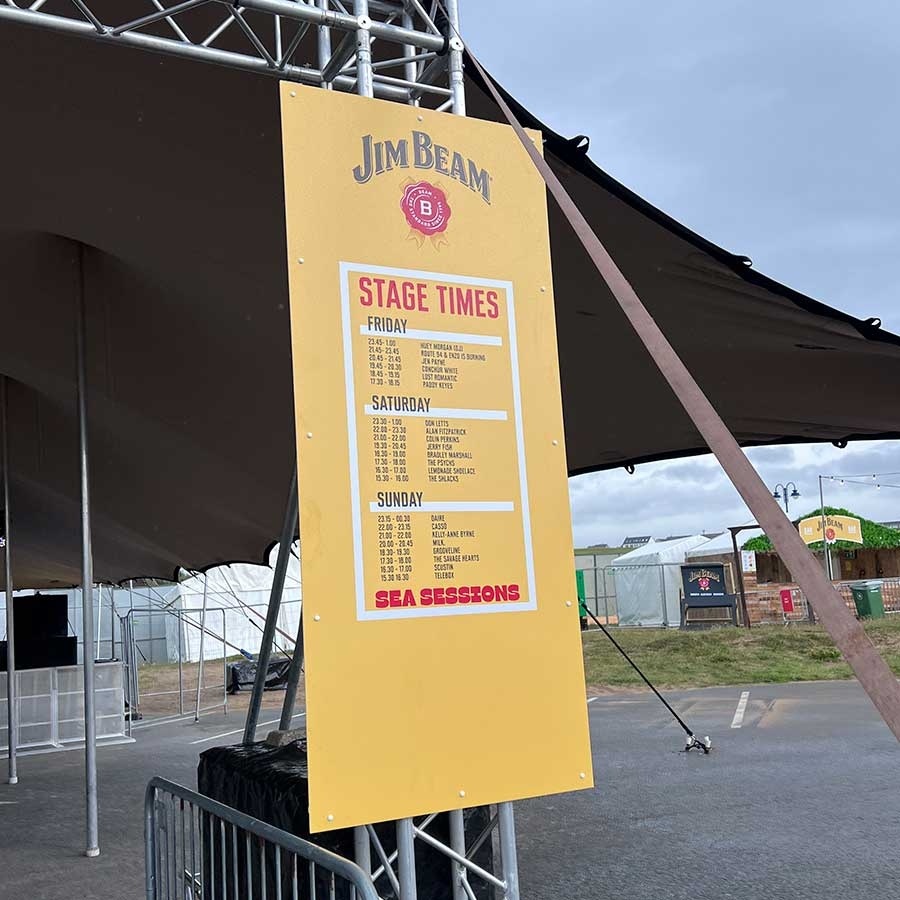
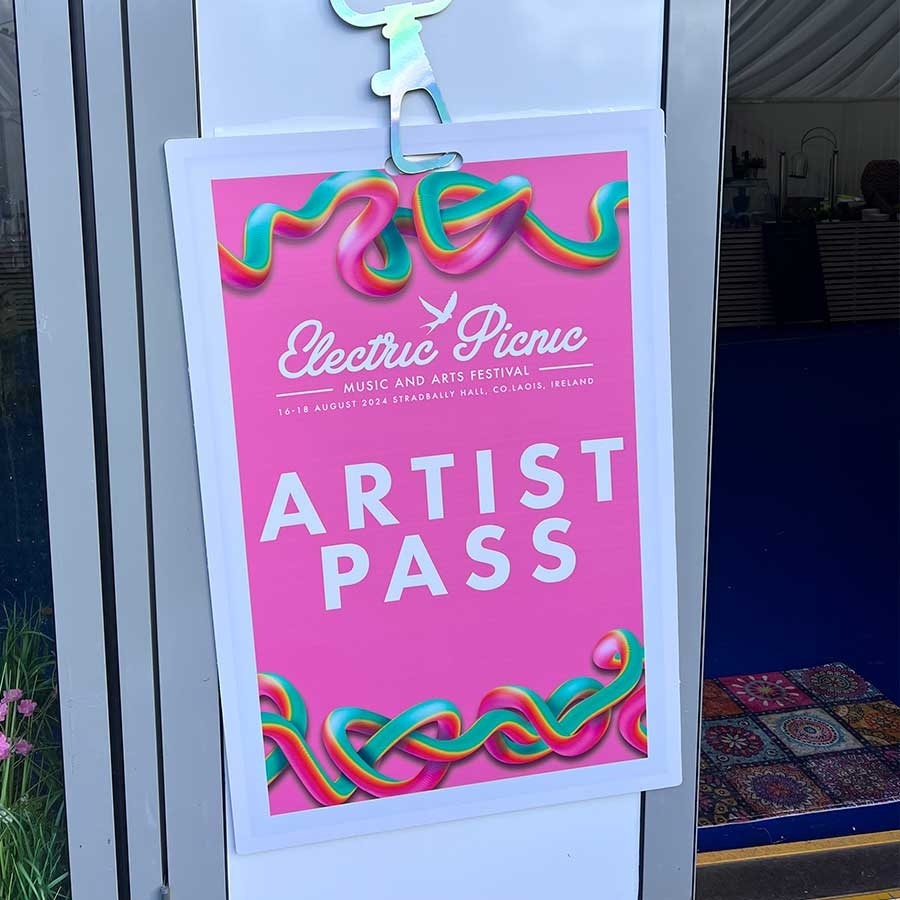
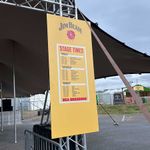
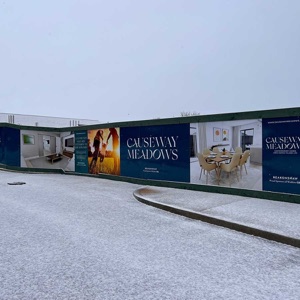
hold up well. Foamex also does the job for retail displays, exhibition graphics, office signage, event signage and point of sale. Anywhere you need a sign that can take a bit of wear.
Foamex is not foamcore
This one causes confusion constantly. The names sound alike and people mix them up all the time, but they're completely different materials. Foamcore is the lightweight stuff, paper faces on a foam centre. It dents if you look at it wrong, the edges crush
easily, and it falls apart if you try to courier it anywhere. Foamex is solid PVC all the way through. It's much more durable and it holds up far better over time. If you've been burned by flimsy foam board before, this isn't that.
Which foamex thickness: 3mm, 5mm or 10mm
We print on 3mm, 5mm and 10mm foamex. The right one depends on what the sign is doing.
- 3mm for anything wall-mounted or staying in one place. It's rigid enough to hang flat without bowing at normal sizes.
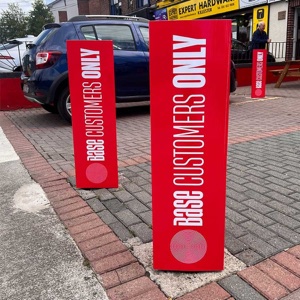
- 5mm for freestanding boards, outdoor use, or signs that get handled regularly. The extra thickness adds stiffness and makes it more forgiving.
- 10mm for larger freestanding displays that need serious rigidity. Most jobs don't call for it.
Not sure? Go 5mm. It's the safe middle ground and it works for almost everything. Still not sure, ask us and we'll tell you.
Cutting, fixings and double-sided foamex
We cut foamex as straight rectangles, or contour cut it to any shape you need: logos, speech bubbles, arrows, product outlines, whatever your artwork calls for. For display, we can add drilled holes for wall fixing or hanging, self-adhesive struts to
stand it on a counter, or a slotted base for a freestanding floor sign. Single-sided print is the default. Double-sided is there for hanging signs, window displays seen from both sides, or anything freestanding that people walk around.
Where foamex signs do well
Indoor signage of pretty much any kind, outdoor menus and A-board inserts, exhibition and trade show graphics, retail point of sale, event signage and office wayfinding. It's waterproof and fairly windproof, but a strong gust on a large unsupported sheet
will put stress on it over time. Drop it on an edge and it can chip. It's rigid, not indestructible. Handle it with reasonable care and it'll last.
When foamex is the wrong board
Permanent outdoor signage that has to stay up for years in direct sun. The print will fade eventually, and the board itself can go brittle with prolonged UV exposure. If that's the job, Dibond is worth the extra cost. It lasts significantly longer in those conditions.
Artwork for foamex signs
Send a print-ready PDF or high-resolution image files. For contour cutting, put a cut path on a separate layer so we know where to cut. Not sure how to set that up? Send what you have and we'll help.
Other boards, if foamex isn't right
For cheap temporary outdoor signs where you don't mind them looking a bit disposable, Corriboard is the budget option. It's fluted plastic. It handles rain but it doesn't have the same finish.
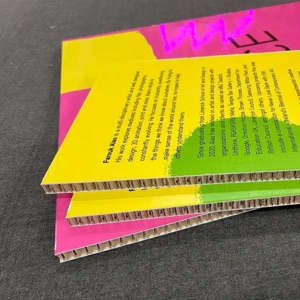
For permanent outdoor signs, Dibond. For single-use event displays on a tight budget, cardboard or honeycomb board might make more sense. If you're not sure which suits your
job, ask us. We'll tell you what actually makes sense, not whatever's most expensive.